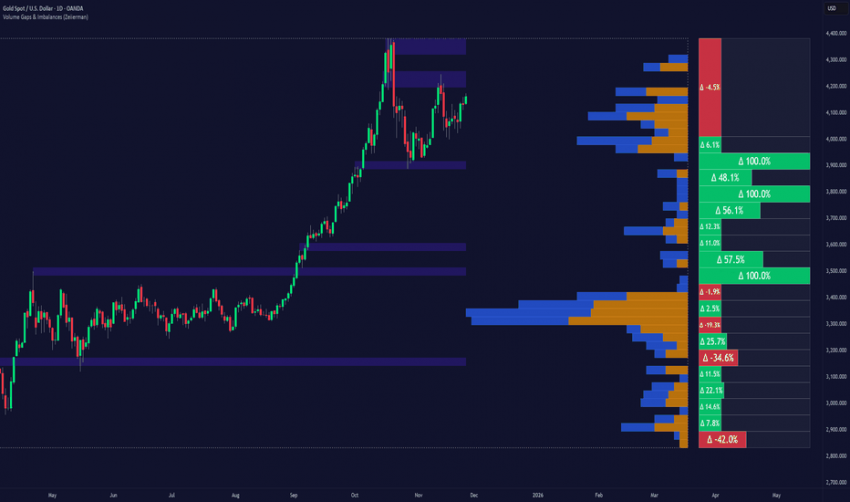
Scalping in high-speed trading requires accuracy in timing, fast analysis and execution. Traders concentrate on exploiting little price fluctuations several times in a day, and efficiency and clarity in charting tools is crucial. Scalping is based on the short-term, micro-support and micro-resistance, and rapid confirmation mechanisms. Optimized charts enable traders to react fast to market changes without making errors due to crowded or sluggish interfaces.
The traders will normally start with the short term settings, e.g. 1-minute or 5-minute, to track the price movement in the short run. Moving averages, Bollinger Bands, and RSI are some of the indicators that are commonly used to determine the momentum, overbought or oversold, and the possible breakout levels. When these indicators are combined with trendlines and candlestick analysis a multi-layered entry and exit finding system can be achieved. This kind of trading involves accuracy and speed which is paramount.
Scalping analysis can be facilitated using platforms such as TradingView charts. Users are able to design their own layouts showing more than one timeframe at a time, overlapping technical indicators, and display more than one instrument at a time in real-time. Color-coded alerts, drawings tools, and synchronization of chart windows are other features that enable traders to be organized and make decisions in time. Such abilities lessen the chance of losing opportunities and make sure that the most significant information is in sight all the time.
Optimization of scalping is based on visual clarity. There should be no superfluous clutters on charts and only the most topical indicators and patterns are presented. The emphasis on important support and resistance, trendline marking, and annotations of candlestick patterns can enable traders to concentrate on actionable signals. Cluttered layout causes cognitive overload causing slower and effective decisions during crises.
Notifications and alerts can also be used to increase the efficiency of scalping. Traders are able to subscribe to specific price action, crossings of indicators or even patterns. The ability to provide information in real-time enables scalpers to react immediately to an opportunity instead of keeping an eye on multiple charts to promote disciplined performance and timely purchases or sales. Automation of alerts is especially useful when working in the conditions of a fast market.
Scalping strategies also require optimization by use of backtesting and historical review. With the help of past data, traders can simulate the performance of indicators and patterns on TradingView charts and evaluate the results. This procedure makes it possible to fine-tune the settings of the indicators, confirmation signals, and timing strategies. Frequent check up develops experience, increases accuracy, and confidence in carrying out live trades.
With the rise in the pace of markets, it is important to scale the TradingView charts to ensure scalping. Product customization, specialization in the indicators of interest, real-time alerts, and a historical review of trends can enable traders to react fast to price changes without losing control. The practices contribute to maximization of small profit opportunities by the scalpers, risk management, and stability in performance in a rigorous trading environment.
