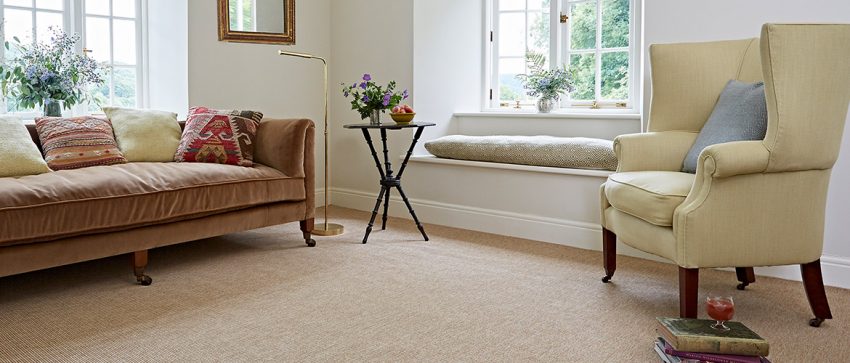
Natural sisal floorcovering has quietly become one of those materials that just makes sense in Australian homes. It’s not flashy. It doesn’t try too hard. But when you look at how it performs day to day, especially in busy households, it earns its place.
Sisal comes from the fibres of the agave plant, which are spun into strong, coarse yarns and then woven into flooring. What you get is a surface that feels firm underfoot, looks clean, and holds up well over time. That combination is what makes it appealing, particularly in homes where foot traffic is constant and expectations are practical.
Why Sisal Works in High-Traffic Areas
Let’s start with the obvious. Floors take a beating. Between shoes, pets, furniture movement, and daily routines, most surfaces start to show wear faster than expected
Natural sisal floorcovering handles this better than many softer alternatives. The fibres are tough and tightly woven, which means they resist flattening. Where plush carpets can lose shape and develop worn paths, sisal tends to keep its structure.
This makes it a strong fit for:
- Hallways
- Living areas
- Staircases
- Entry zones
In Australian homes, where indoor-outdoor movement is common, this durability matters. People aren’t always taking shoes off at the door, and flooring needs to handle that reality.
Aesthetic That Fits the Australian Lifestyle
There’s also a visual reason sisal works so well locally. Australian interiors often lean toward natural light, open layouts, and materials that feel grounded rather than polished.
Sisal fits right into that. Its tones usually sit within neutral ranges beige, sand, light brown so it blends rather than dominates. That makes it easy to pair with timber furniture, stone surfaces, or even polished concrete.
It works particularly well in:
- Coastal homes
- Contemporary minimalist spaces
- Modern rustic interiors
The texture adds depth without clutter. That’s a subtle but important point. A lot of flooring either disappears completely or becomes the focal point. Sisal sits somewhere in the middle. It supports the space without demanding attention.
Comfort and Underfoot Feel
Here’s where expectations need to be set properly. Sisal is not soft in the way wool or synthetic carpets are. It has a firmer, more textured feel.
For some people, that’s a benefit. It gives a sense of stability and structure underfoot. In warmer parts of Australia, it also feels cooler compared to dense, insulating carpets.
That said, it may not be the best choice for:
- Bedrooms where softness is a priority
- Spaces where people sit or lie directly on the floor
A common approach is to use sisal as the base flooring and layer it with rugs in areas where extra comfort is needed. That way, you get durability where it matters and softness where you want it.
Climate Suitability Across Australia
Australia’s climate varies widely, and flooring choices need to reflect that. Sisal performs best in dry to moderately humid environments.
In cities like Sydney, Melbourne, or Adelaide, it generally holds up well when installed in ventilated spaces. In more humid regions, like parts of Queensland, moisture becomes a factor to manage.
Sisal fibres are naturally absorbent. That means:
- They can take in humidity from the air
- They may stain if exposed to spills
- Prolonged moisture can weaken the fibres
This doesn’t rule it out, but it does mean placement matters. Avoid using it in:
- Bathrooms
- Laundries
- Poorly ventilated basements
In the right setting, though, it performs reliably.
Maintenance: What It Actually Takes
One of the reasons people lean toward sisal is its relatively simple maintenance.
Routine care usually involves:
- Regular vacuuming to remove dust and debris
- Prompt cleaning of dry spills
- Avoiding excessive moisture during cleaning
Because the weave is tight, dirt tends to sit on the surface rather than embedding deeply. That makes vacuuming effective.
The challenge comes with liquid spills. Since sisal absorbs moisture, stains can set quickly if not handled immediately. Blotting, rather than rubbing, is the key approach.
Over time, with consistent care, sisal maintains its look without requiring intensive treatments.
Sustainability and Material Appeal
There’s also the environmental angle. More homeowners are paying attention to what materials are made of and how they’re sourced.
Sisal ticks a few important boxes:
- It’s derived from a renewable plant source
- It’s biodegradable
- It involves minimal chemical processing compared to many synthetics
For people trying to reduce reliance on synthetic materials, it offers a practical alternative without compromising on function.
Installation Considerations
Sisal can be installed as:
- Wall-to-wall carpet
- Custom rugs with bound edges
- Stair runners
Professional installation is usually recommended, especially for larger areas. The material doesn’t stretch like synthetic carpet, so precision matters during fitting.
Underlay also plays a role. A good underlay can:
- Improve comfort slightly
- Extend the lifespan of the flooring
- Provide better insulation
These are small details, but they affect the overall experience.
Where Sisal Makes the Most Sense
When you step back, natural sisal floorcovering isn’t trying to be everything. It’s not the softest. It’s not the most luxurious. But it’s consistent, durable, and visually grounded.
It makes the most sense in homes where:
- Foot traffic is high
- Interiors lean toward natural materials
- Maintenance needs to stay manageable
- A clean, understated look is preferred
Used in the right places, it holds up well and ages in a way that feels natural rather than worn out.
Author: Floorspace, based in Melbourne, Australia, provides practical, experience-driven insights to help homeowners and office owners choose the right flooring solutions.
