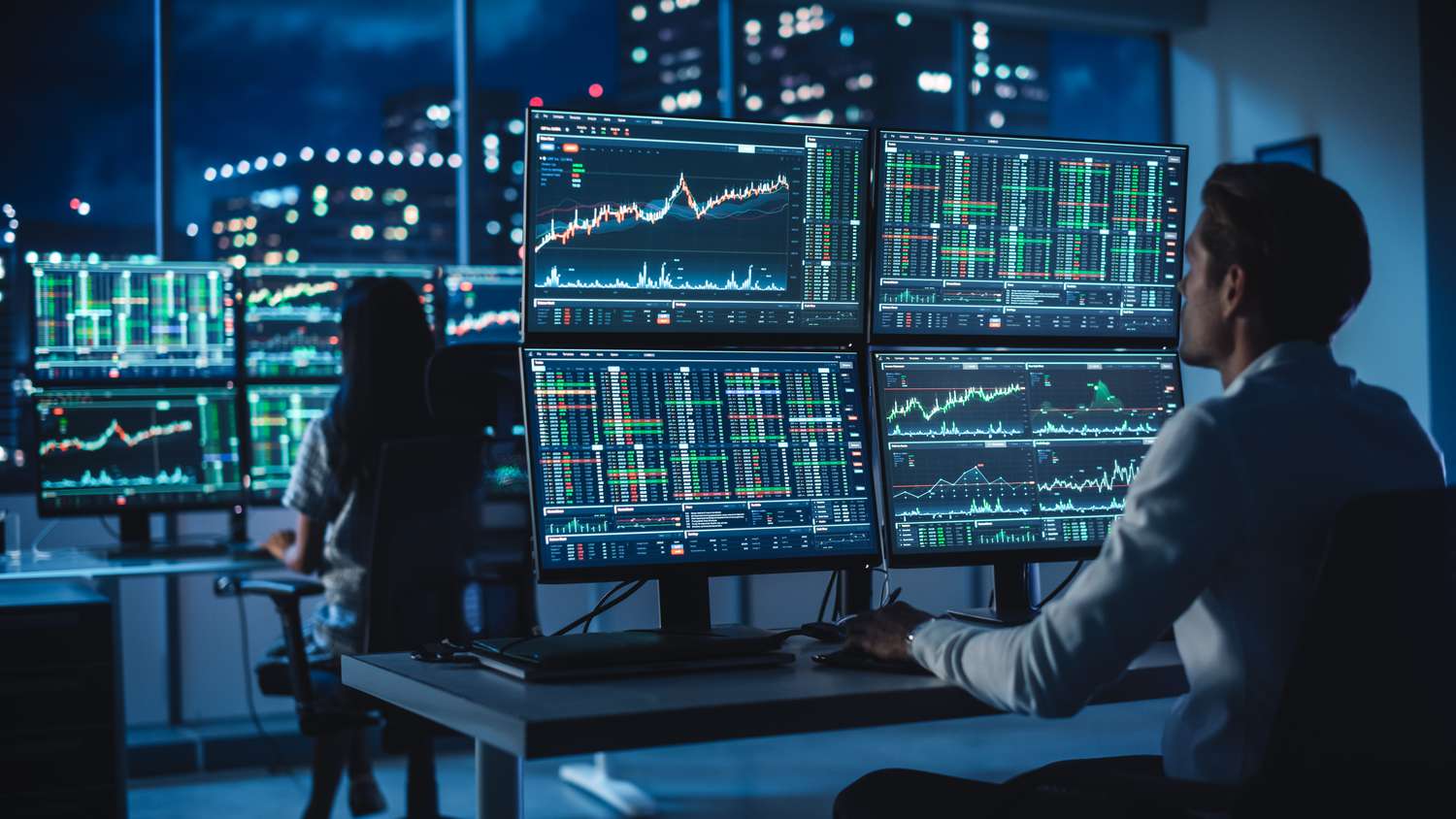
The world economy is constantly evolving, driven by policy changes, trade dynamics, and unexpected global events. These shifts impact financial markets, especially Forex trading, where currency values fluctuate based on economic conditions. Understanding how the forex market reacts to these changes can help traders anticipate trends, manage risks, and make smarter trading decisions.
The Connection Between Economic Shifts and Forex Trading
Currencies reflect the strength of their respective economies. When economic conditions improve, a country’s currency often strengthens as investors gain confidence. Conversely, economic downturns, inflation concerns, or political instability can weaken a currency. In Forex trading, these fluctuations present both opportunities and risks, as traders aim to capitalize on price movements.
Central banks play a crucial role in shaping economic conditions. Through interest rate adjustments and monetary policies, they influence currency values. For instance, when a central bank raises interest rates, the local currency typically appreciates because higher returns attract foreign investments. On the other hand, rate cuts can weaken a currency as investors seek higher yields elsewhere.
How Forex Responds to Economic Events
The forex market is highly sensitive to major economic indicators. Key reports such as GDP growth, employment data, inflation rates, and consumer spending all impact currency valuations. When data surprises the market—whether positively or negatively—exchange rates react quickly, often triggering volatility.
Geopolitical events also play a role in Forex trading dynamics. Trade agreements, tariffs, and international conflicts can cause abrupt currency fluctuations. For example, during trade disputes between major economies, currencies involved in the conflict may experience sharp movements as uncertainty drives speculation.
Natural disasters and global crises, such as pandemics, can further reshape forex trends. In times of economic uncertainty, investors often move capital toward safe-haven currencies like the US dollar, Swiss franc, or Japanese yen. This behavior reflects a flight to safety as traders seek stability in volatile markets.
Adapting Strategies to Economic Shifts
Successful forex traders adjust their strategies based on changing economic conditions. One approach is following fundamental analysis, which involves monitoring economic reports and central bank policies to predict market direction. By staying informed about upcoming data releases, traders can prepare for potential price swings.
Technical analysis also plays a role in navigating economic shifts. Even though fundamentals drive long-term currency movements, price charts reveal trends and patterns that help traders identify optimal entry and exit points. A combination of both approaches enhances decision-making in Forex trading.
Flexibility is key in uncertain markets. When volatility rises due to unexpected economic shifts, adjusting position sizes and setting wider stop-loss levels can help manage risk. Some traders prefer to stay out of the market during major news events to avoid unpredictable price spikes.
The Future of Forex in a Changing Global Economy
As global economies continue to evolve, so does the forex market. Emerging trends such as digital currencies, changes in trade policies, and advancements in financial technology will influence how currencies move. Traders who stay ahead of these developments will be better positioned to adapt and thrive in the ever-changing world of Forex trading.
Ultimately, understanding how the forex market reacts to global economic shifts is essential for any trader. Whether through interest rate policies, geopolitical changes, or unexpected global events, these factors shape currency movements and create opportunities for those who are prepared. The ability to analyze and adapt to these shifts is what separates successful traders from the rest.
