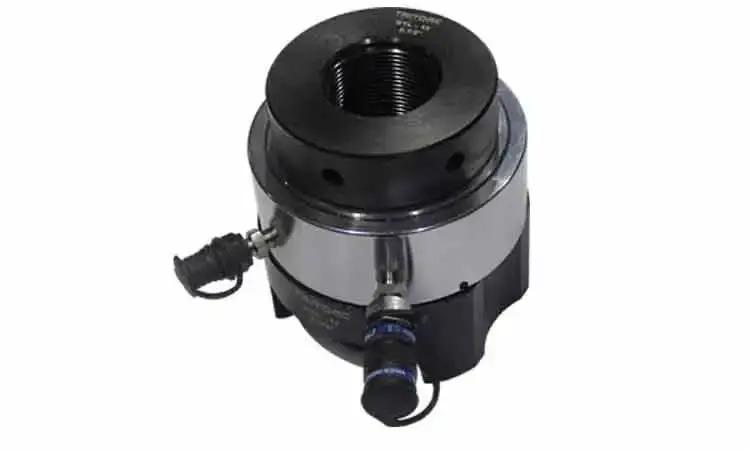
The various industrial fields use hydraulic bolt-tightening machines together with hydraulic tensioners as essential tools to preserve the reliability and integrity of bolted joints. These devices enable users to generate and apply found tension to bolts and studs before they can be locked into critical machines and structures.
Basic Concept Behind The Hydraulic Bolt Tightening Machine
The hydraulic bolt-tightening machine provides controlled bolt stress, which allows the nut entrance without applying torque that causes bolt torsional stress. Other benefits of hydraulic bolt tightening include:
- Elimination of Any Residual Torsional Forces: Triggering constant hydraulic tension via tensioners erases external torsional forces, hence it protects joint integrity from being compromised.
- Less Friction-Related Problems: The hydraulic method reduces factors of friction that improve the precision of bolt loading amounts.
The hydraulic tensioner processor functions by mounting the equipment onto a bolt or stud, followed by an operation to stretch it under hydraulic pressure applications. When the nut reaches the appropriate tension level, it becomes tightened to keep the pressure until the disappearance of hydraulic stress. The accurate control of bolt preload stands as a factor that enhances the reliability of the joint system.
Hydraulic Tensioners Advantages
- Greater Accuracy: Hydraulic tensioners use precise control mechanisms to regularly distribute loading across all bolts in any joint assembly.
- Reduced Physical Effort: The devices lower operator workload, which subsequently reduces their exposure to fatigue-related accidents.
- Improved Safety: Safety is improved because tensioning systems with controlled forces decrease the probability of unexpected bolt failures. This helps maintain secure workplace environments.
- Time Savings: The hydraulic tensioners streamline bolted joint installation and disassembly processes, which in turn minimizes maintenance downtimes.
Uses of Hydraulic Tensioners
The wide range of applications throughout different industrial sectors bases its use on hydraulic tensioners.
- Pipeline Flanges: Creating leak-proof connections in oil and gas pipelines.
- Pressure Vessels: Keeping the integrity of those under rare high pressure in chemical plants. Valves and Pumps: Securing critical components of fluid-handling systems.
- Heat Exchangers: Enabling power plants to power heat transfer.
- Wind Turbines: Creation and maintenance of structural components in green energy.
Types of Hydraulic Tensioners
- Topside Bolt Tensioners: These are manufactured for standard applications that are easily accessed.
- Spring Return Hydraulic Tensioners: By using a spring return for quick operation, these tensioners increase efficiency.
- Multi-Stage Tensioners: For applications needing very high tensioning forces, multi-stage tensioners will give excellent load capacity.
Considerations for Selecting Hydraulic Tensioners
- Inter-nut distance: The distance between adjacent nuts has a fundamental impact on the size and design considerations of the tensioner.
- Pitch Circle Diameter of the Flange: Relates to the compatibility of the tensioner with the particular flange configuration.
- Available free space above the nut: Sizing in consideration of the spatial limitations imposed by the application requires this.
Conclusion
The hydraulic bolt tightening machines and hydraulic tensioners are the backbone to achieve precision and reliability in bolted connections in all industries. Their ability to impose controlled tension on bolted joints provides integrity to the joint, thus reducing maintenance costs and increasing the life of vital components. Choosing the suitable type and configuration of a hydraulic tensioner ensures safe and efficient operations in all industries.
